Acid Grassland
Lowland Acid Grassland (LAG) is a threatened UK habitat of national conservation importance. Barnes Common supports some of the highest quality LAG remaining in London. Historically, much of this habitat has been lost through urban development, nutrient enrichment, and the succession of scrub and woodland.
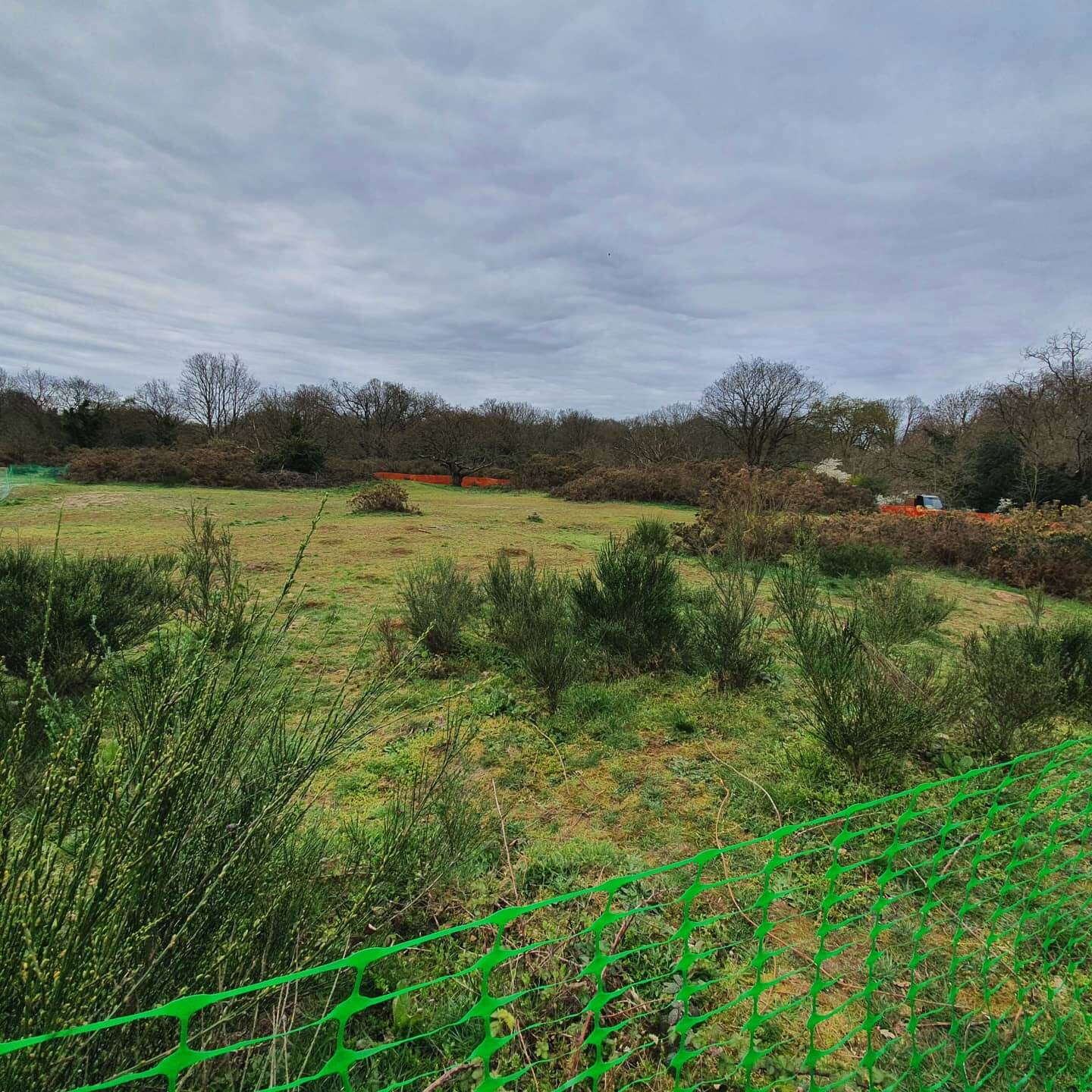
Thanks to generous donations from the public through last year’s Big Give campaign, we are now implementing work to restore and expand areas of LAG across Barnes Common. This includes controlling encroaching scrub and creating soil scrapes.
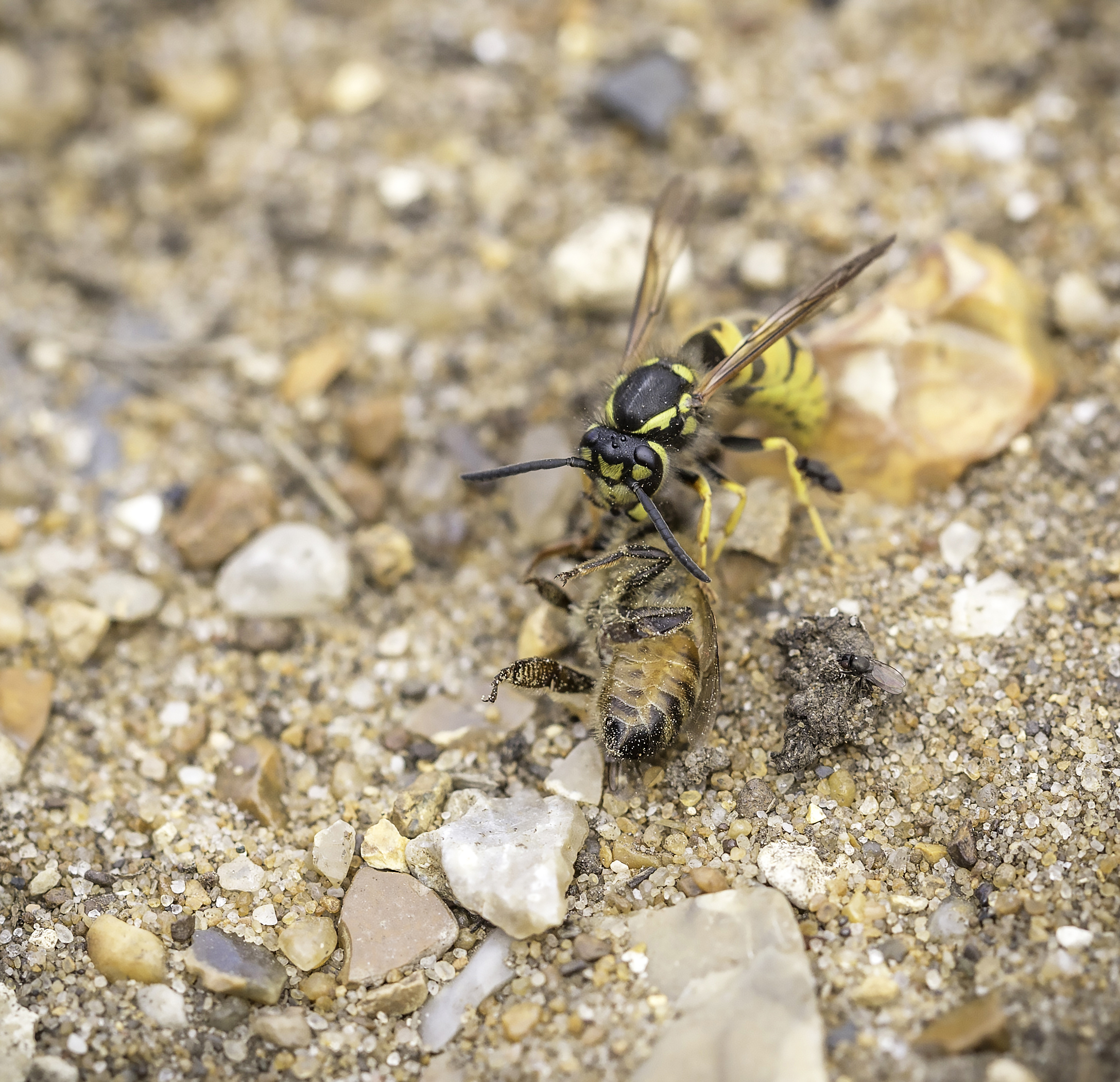
Although soil scrapes can initially look quite drastic, they remove nutrient rich topsoil and expose the low-nutrient, sandy substrate that LAG plants need to establish. The areas of bare, free-draining soil also provide excellent nesting habitat for rare solitary bees and wasps.
Why is it important?
LAG can support up to 25 plant species per square metre. On Barnes Common, this subtle and captivating carpet of plants overlies thin, low-nutrient, free-draining soils that have developed on the underlying gravels and sands of the River Thames terraces.
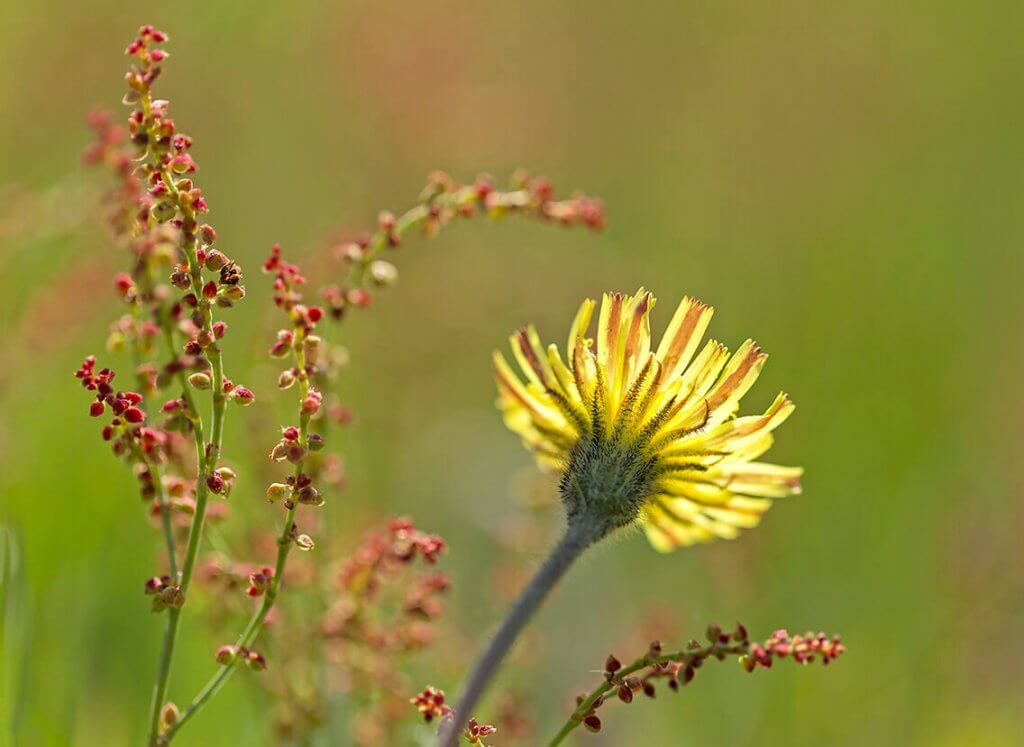
Highly specialised grasses such as sheep’s fescue (Festuca ovina), red fescue (Festuca rubra), common bent (Agrostis capillaris) and wavy hair-grass (Deschampsia flexuosa) grow alongside indicator species including sheep’s sorrel (Rumex acetosella), heath bedstraw (Galium saxatile) and cat’s-ear (Hypochaeris radicata). Although often small and easily overlooked, these plants are beautiful and integral to the ecosystem of the Common.
Where is it?
Areas of LAG can be found on Mill Hill, the ‘Ups & Downs’, on either side of Common Road and Rocks Lane, and south of Barnes Old Cemetery.

How can I help?
LAG is a fragile habitat, and excessive disturbance can damage or destroy it. Heavy footfall and cycling can kill the delicate plants growing there. Dog fouling adds nutrients and can alter the sensitive soil conditions, changing the plant community and affecting the wildlife that depends upon it.
To help protect this scarce habitat, please keep to the existing paths, respect any areas that are temporarily fenced, and help us spread the word.
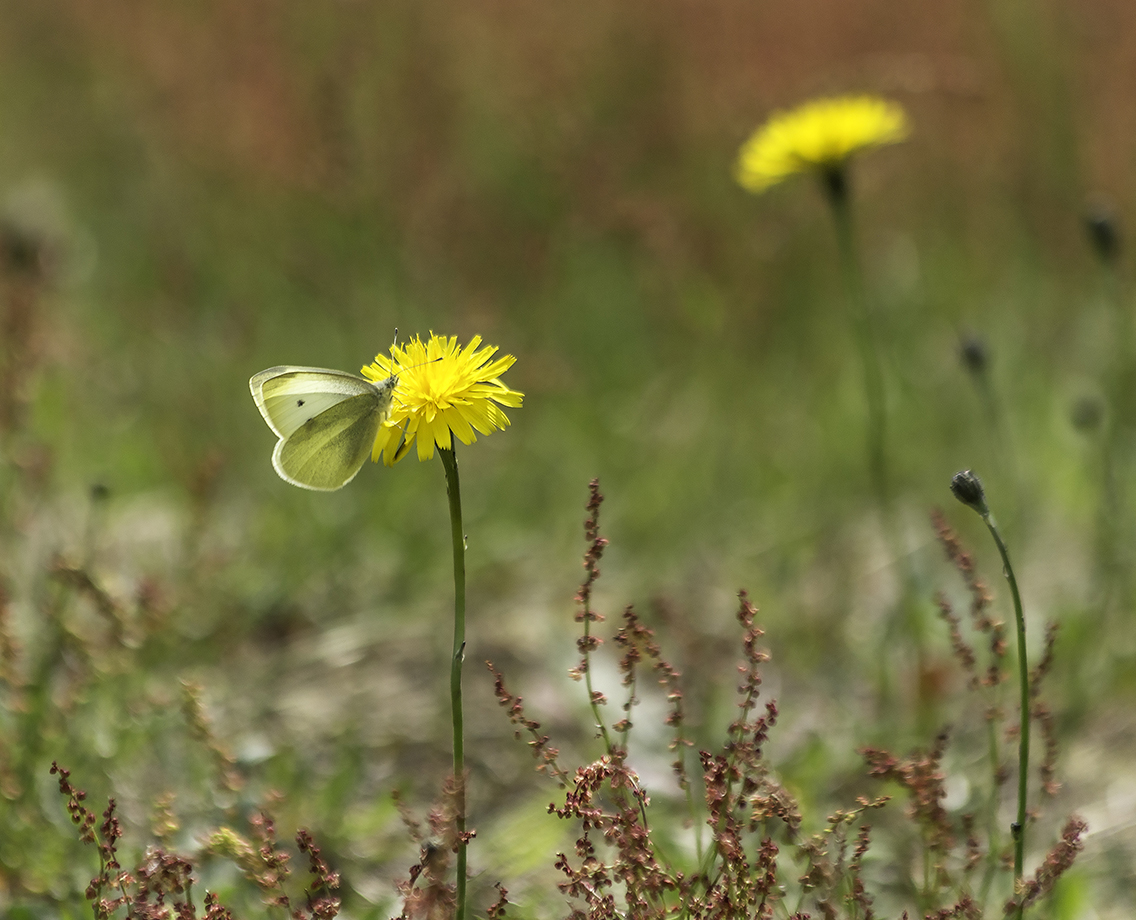
Thank you for the photos featured above to Andrew Wilson.